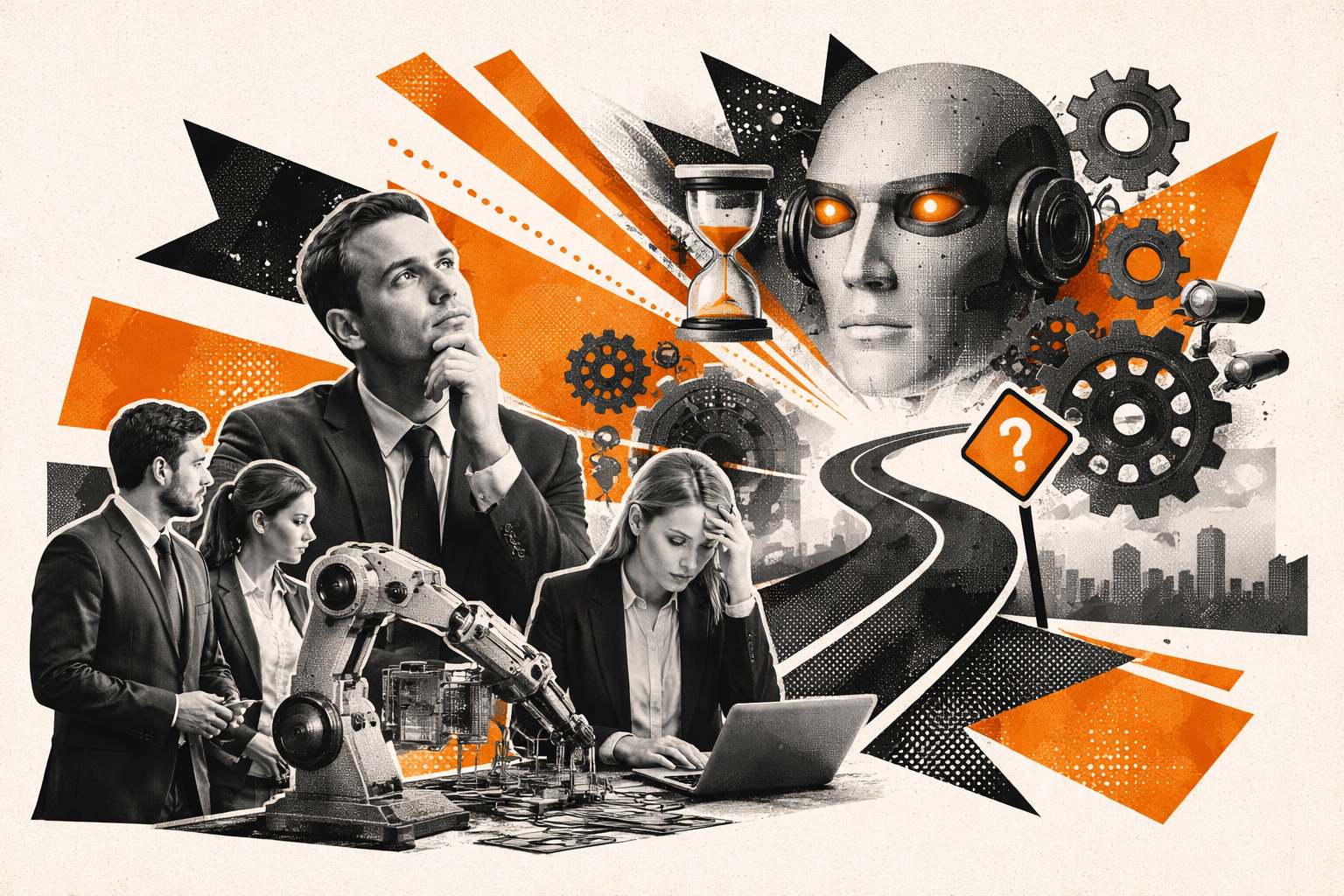
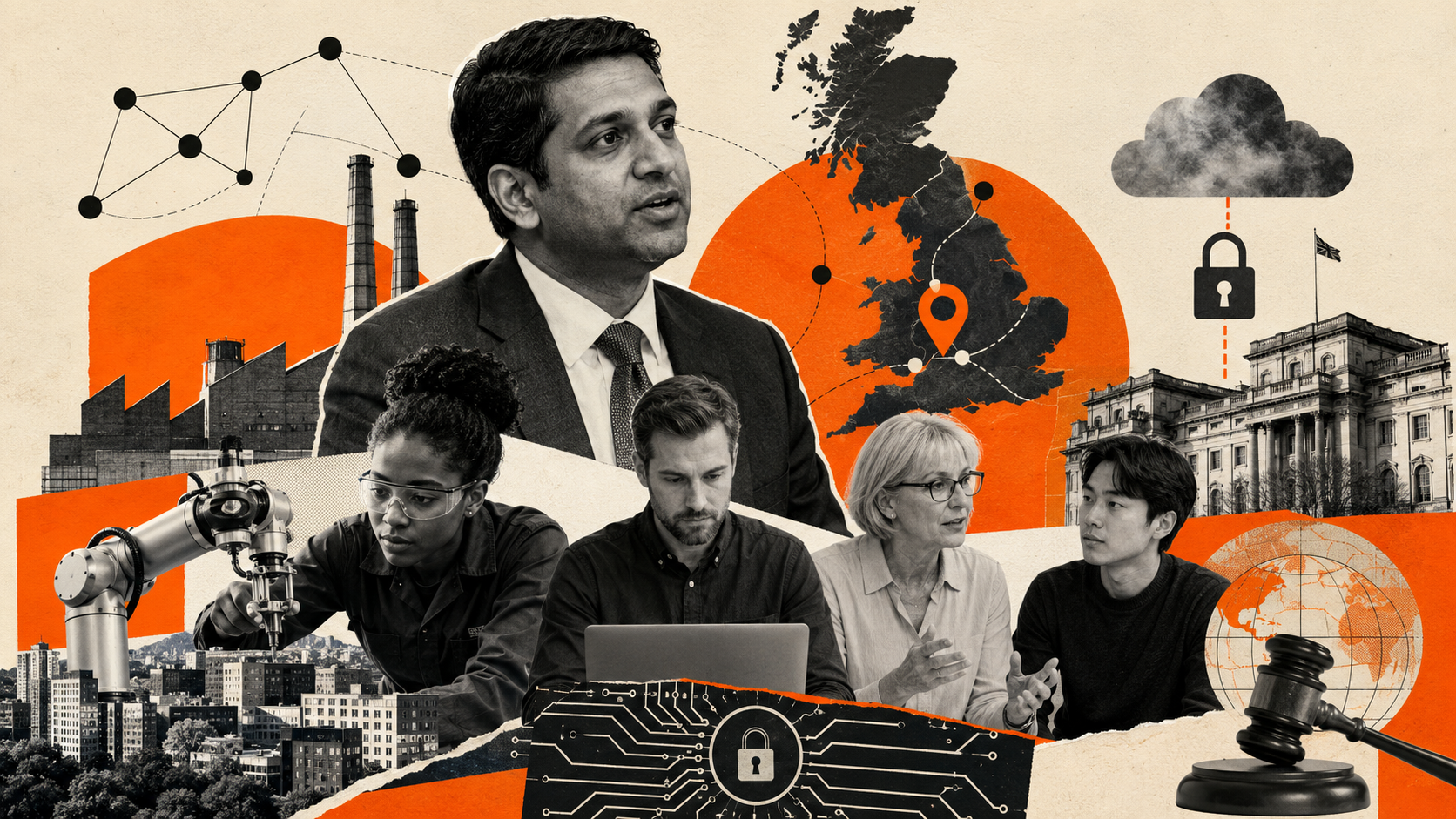
The UK has long been a leader in technological innovation, yet a recent Microsoft survey suggests that many British businesses remain deeply hesitant about adopting artificial intelligence. With over half of the surveyed executives reporting no official AI strategy, the question is pressing: why are some organisations accelerating ahead, while others remain stuck in neutral?
The AI divide: Early adopters vs. the hesitant majority
AI is no longer a futuristic buzzword, it is here, and it is making workplaces measurably smarter. Microsoft's survey found that companies leveraging AI are seeing significant productivity gains, while those lagging behind are noticing widening efficiency gaps.
Some firms, such as McKinsey, have already moved beyond experimentation, using Microsoft's Copilot Studio to handle tasks like client scheduling. Others are still cautiously testing the technology, hesitating to commit fully.
Understanding the hesitation
The reluctance is understandable. Businesses face a range of genuine challenges:
- Lack of a clear AI strategy, Many organisations have yet to define how AI fits into their operations or where it can deliver real value.
- Fear of job displacement, There is a persistent concern that AI will replace human roles, creating anxiety among workforces yet to see the technology's benefits firsthand.
- Regulatory uncertainty, Proposed changes to UK copyright laws, among other ongoing debates, have created friction between tech companies and creative industries, leaving many businesses unsure of the legal landscape.
Lessons from the past: The digital divide repeats itself
History teaches us that technology does not wait. During the industrial revolution, companies that embraced mechanisation pulled ahead, while those clinging to manual labour fell behind. The digital divide of the early 2000s followed the same pattern, those who shunned digital tools struggled to keep pace, and the AI revolution is poised to repeat that history.
As a digital economic justice campaigner, I have consistently highlighted that technological advancements tend to widen existing inequalities. While some ride the wave of AI opportunities, others are left behind due to lack of access, knowledge, or a clear strategy.
The future of work: Will AI create or kill jobs?
A report by the Tony Blair Institute suggests AI could displace up to 3 million jobs in the UK, a significant concern, though the same report forecasts new roles emerging, much as the digital economy once gave rise to social media managers, data analysts, and cybersecurity specialists. Microsoft UK's chief executive, Darren Hardman, insists that AI will eliminate the "digital drudgery" of work, freeing employees to focus on creativity and innovation. This transformation, however, hinges on upskilling workers to transition effectively into AI-augmented roles.
The way forward: How UK businesses can break out of neutral
For UK businesses to avoid being left behind, a proactive strategy is essential. Three steps stand out:
- Develop a clear AI strategy, Organisations must move beyond half-hearted experiments and identify precisely how AI can streamline workflows and boost productivity.
- Invest in workforce upskilling, Rather than treating AI as a threat to jobs, companies should build AI literacy across their teams, preparing employees for roles that leverage the technology rather than compete with it.
- Balance innovation with ethical considerations, AI adoption must account for data ethics, privacy, and responsible governance, ensuring that digital transformation is fair and inclusive.
Final thoughts: A call to action
The AI revolution is not waiting for hesitant businesses to catch up, it is already accelerating. UK firms must act now or risk losing their competitive edge. AI is not simply another tool; it is a catalyst for workforce transformation with the potential to reshape how work gets done.
Is your organisation ready to shift gears, or are you still idling in neutral?
How is your company approaching AI adoption? Are you an early adopter, or are you waiting to see how things develop? Share your thoughts in the comments.
.png?width=783&height=479&name=BBE%20Logo%20Teal%20Background%20(1).png "Bykov-Brett Logo")
 Jamie Bykov-Brett
·
13 March 2025
·
4 min read
Jamie Bykov-Brett
·
13 March 2025
·
4 min read