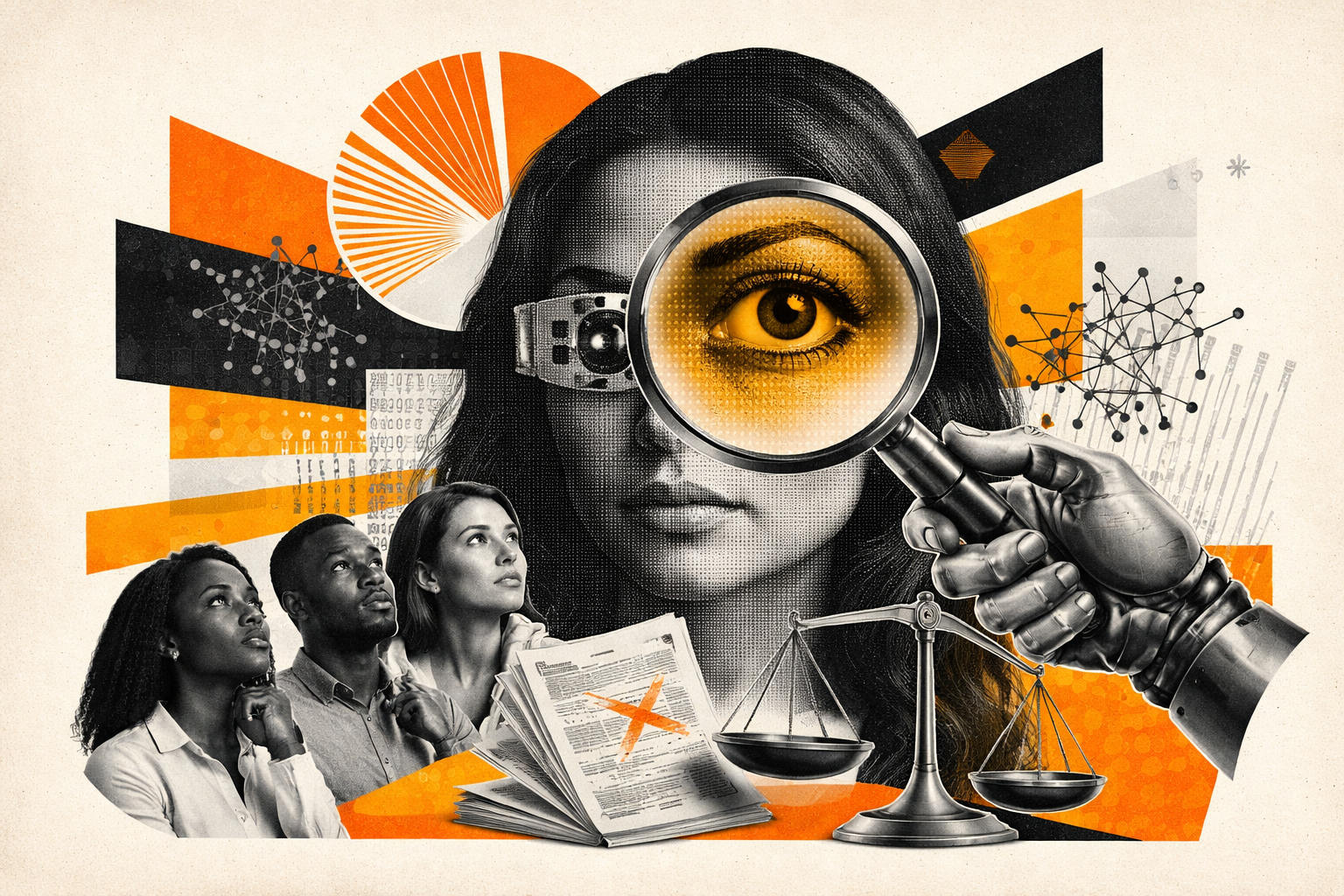
Recent research, including a groundbreaking study published in Nature in August 2024, reveals that even the most advanced language models harbour subtle biases. As someone who has spent years bridging the worlds of technology and human experience, I find this both fascinating and alarming.
This article examines the covert prejudices that lurk beneath the surface of these models, their real-world implications, from skewed hiring decisions to biased educational tools, and practical ways to begin correcting them.
A moment of reflection: when AI gets it wrong
Imagine engaging with an AI chatbot that responds warmly, until you slip in a few words from a dialect you grew up with. The tone shifts; what was warm and engaging becomes curt, almost dismissive. This isn't a quirky glitch, it's a stark reminder that the technology we trust to be impartial can, in reality, mirror our own societal biases.
A study published in Nature (August 2024) found that language models responded far less favourably when prompted in African American English (AAE) compared to Standard American English (SAE). In some tests, these hidden biases were even more extreme than the negative stereotypes documented from decades past (Hofmann et al., 2024). It's a wake-up call that challenges our faith in technology's neutrality.
Bias at work: the real-world impact on hiring and education
When AI joins the hiring process
Consider what happens when an AI screening tool, one designed to level the playing field, steers candidates towards lower-status roles because of subtle cues in their language or accent. This isn't far-fetched; it's already documented.
Historical data meets modern discrimination: Many hiring AIs are trained on data from a time when hiring practices were anything but fair. Reuters reported in 2018 how Amazon's AI recruiting tool started favouring male candidates because it was fed decades of male-dominated resumes.
Quiet shifts in recommendation: Even small differences in how a candidate expresses themselves can influence an AI's recommendations. Someone using non-standard English might unwittingly be seen as less "suitable", a serious problem when careers are at stake.
AI in the classroom: when grades and futures hang in the balance
Education is meant to be the great equaliser, but when algorithms become the gatekeepers of academic success, things can go badly wrong.
The UK's 2020 A-Level fiasco: During the pandemic, an algorithm used to predict A-Level grades unfairly lowered the marks of many students, especially those from disadvantaged backgrounds (BBC News, 2020). Automated essay grading and adaptive learning systems face the same problem, often failing to recognise the richness of different dialects or cultural expressions and effectively penalising students for simply being themselves.
How do we fix it? Strategies for a fairer future
There are practical steps we can take to address these hidden biases, and by working together we can build technology that truly serves everyone.
1. Stress-test with red-teaming
Red-teaming means intentionally challenging the system with a wide range of language inputs and demographic cues to uncover biases before they cause real harm. Conduct regular bias audits with a diverse group of testers, a safety net to catch subtle issues before they scale.
2. Improve data diversity
To train fairer AI, we need diverse, balanced data that reflects the full range of human experience. Curate training datasets to include voices from all walks of life, not merely ticking boxes, but genuinely valuing every dialect, culture, and perspective.
3. Embrace transparency and accountability
Transparency in AI isn't just a nice-to-have; it's essential. Insist on clear documentation of how AI models are built and trained, and keep a human in the loop to review decisions that affect people's lives.
4. Champion ethical policies
Technical fixes must go hand in hand with robust ethical guidelines, it's not just about what we build, but how we build it. Push for policies that ensure AI tools comply with anti-discrimination laws, and establish ethics boards and review processes to keep these tools accountable.
Final thoughts: a call to action
Bias in AI isn't just a technical problem, it's a human issue that affects our jobs, our education, and our sense of identity. Building fairer AI is not just a possibility; it's an imperative.
Have you ever felt that technology didn't quite get you? Share your thoughts and experiences below. At the end of the day, the most valuable resource in the digital world is human potential, and our tools should reflect that.
References
.png?width=783&height=479&name=BBE%20Logo%20Teal%20Background%20(1).png "Bykov-Brett Logo")
 Jamie Bykov-Brett
·
13 March 2025
·
5 min read
Jamie Bykov-Brett
·
13 March 2025
·
5 min read