Why a chip you will never see decides what your smart glasses can do
The headsets and glasses get the photographs. The launch videos, the slick demos, the people grinning while they wave their hands at floating windows.
Almost nobody points a camera at the small piece of silicon doing the actual work. Yet that chip decides what the whole device can and cannot do, which is why Qualcomm's announcement at Augmented World Expo is worth a moment of attention even if you have no interest in strapping a computer to your face.
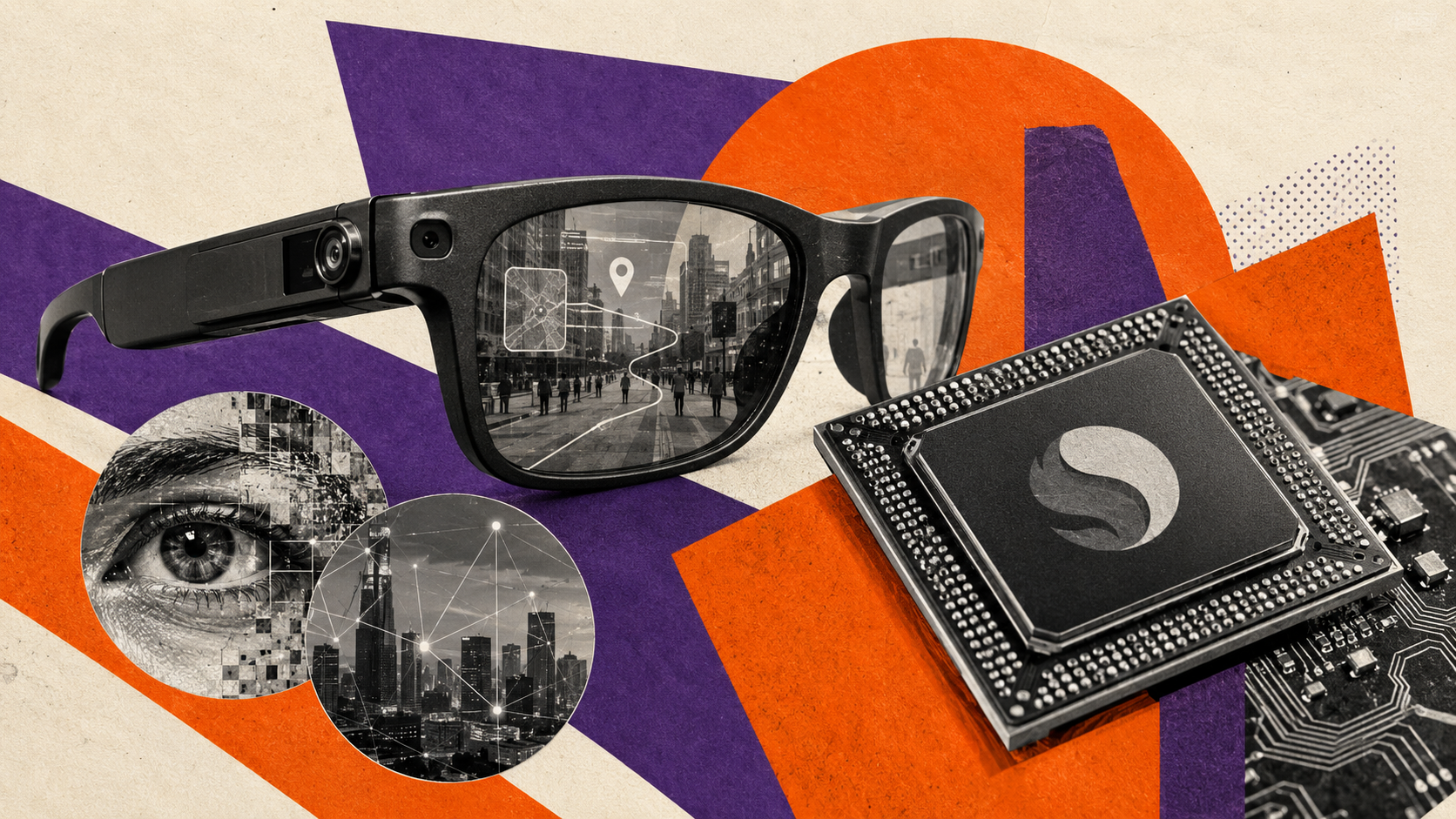
Qualcomm has launched a new platform called Snapdragon Reality Elite, built to run artificial intelligence directly on XR devices, the headsets and glasses that mix digital content with the real world.
The headline figure is that it can deliver up to 48 TOPS of on-device AI performance, enough to run large language models and large vision models locally. In plainer terms: the kind of AI that today usually lives in a distant data centre can now run on the glasses themselves.
That distinction sounds like a technical footnote, but it has real consequences. When AI runs on the device, three things change. Latency drops, because the data does not have to travel to a server and back before anything happens. Cost shifts, because you are not paying for cloud processing every time the system thinks. And, most importantly for anyone working in a serious organisation, the data does not have to leave the device at all.
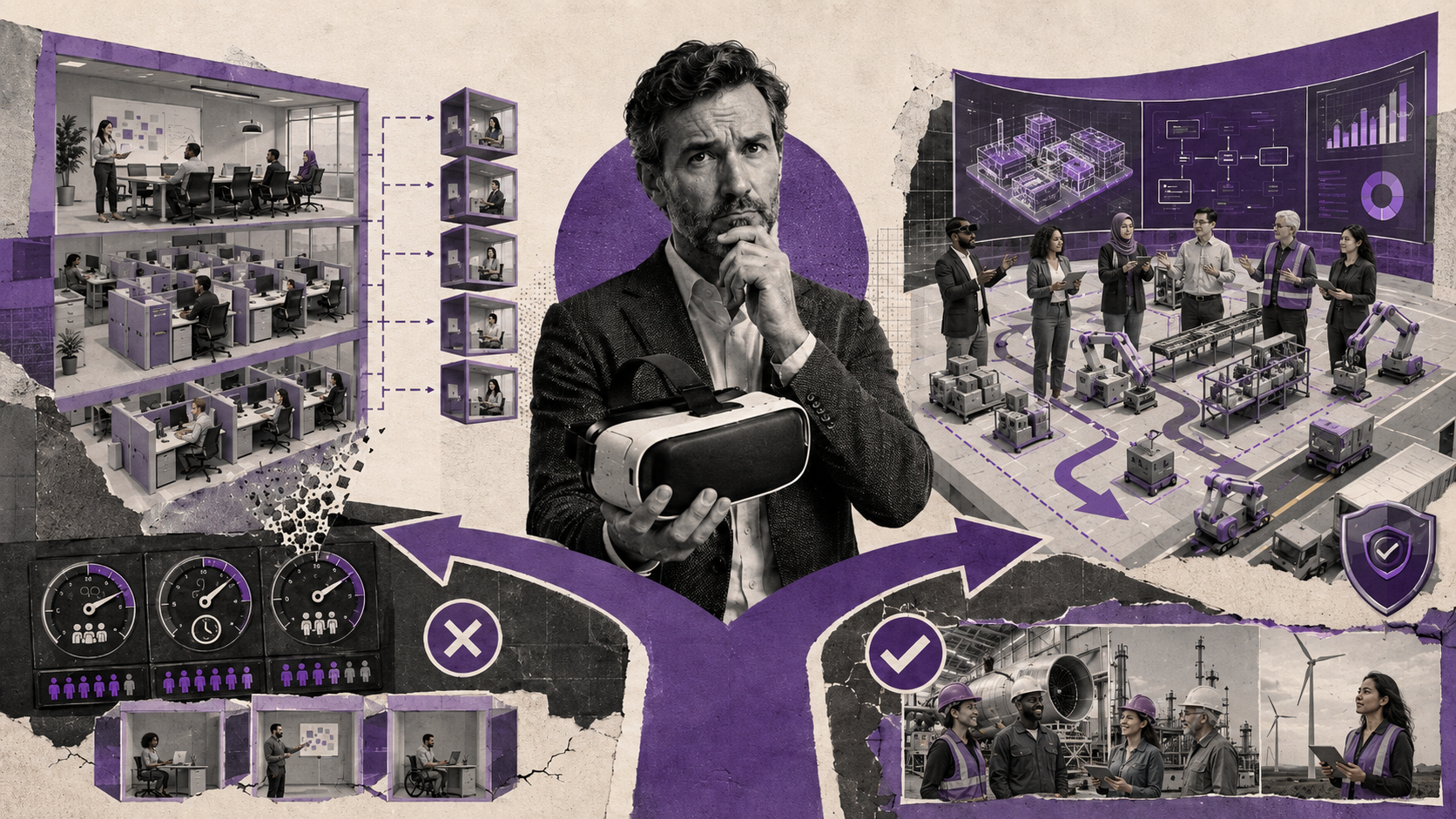
Hold onto that last point, because it is the one most people skip. If a surgeon or a fraud investigator is wearing a device that processes sensitive information, the question that kills most immersive technology pilots is simple: where does the data go? The moment the answer is "to someone else's server", the legal team and the compliance officer both sit up. On-device AI gives a different answer. The sensitive context can stay where it was captured. That single change reopens conversations that were previously closed before they began.
I have watched promising tools die in regulated environments, even though they worked, because nobody could explain, in writing, what happened to the data. The obstacle was always trust. So when silicon makes it genuinely possible to keep sensitive information local, that is a removal of one of the biggest barriers to adoption in health, finance, education and the public sector.
The rest of the announcement is the usual leap in raw numbers. Qualcomm says the platform delivers up to 160% higher performance on the part of the chip dedicated to AI, around 20% longer battery life, and a chipset that runs cooler under load. Cooler and longer-lasting matters more than it first appears, because the dream of lightweight glasses you would actually wear in public falls apart the moment the device cooks your temple or dies before lunch.
There is a scale point too. Qualcomm's Ziad Asghar noted that there are already more than 60 million XR devices in market with growing momentum across industries. That is a base big enough that the choices made at the chip level ripple outward to every device built on top.
A note of caution, because hype is the default setting in this corner of technology. A platform announcement is only a promise. The devices built on it, from XREAL's glasses to others due later this year, still have to prove themselves in real workplaces. Capability on a slide still has to become capability in the field. I have learned to wait for the second and third deployment before believing the first.
Still, if you are a leader who keeps batting away immersive technology proposals because the privacy answer never quite landed, the ground has shifted under that objection. The next XR pitch that crosses your desk deserves a sharper question than "is it ready yet". Ask instead: with the data staying on the device, what could we now responsibly try that we ruled out last year? File that one away. You will need it sooner than you think.
.png?width=783&height=479&name=BBE%20Logo%20Teal%20Background%20(1).png "Bykov-Brett Logo")
 Jamie Bykov-Brett
·
18 June 2026
·
4 min read
Jamie Bykov-Brett
·
18 June 2026
·
4 min read