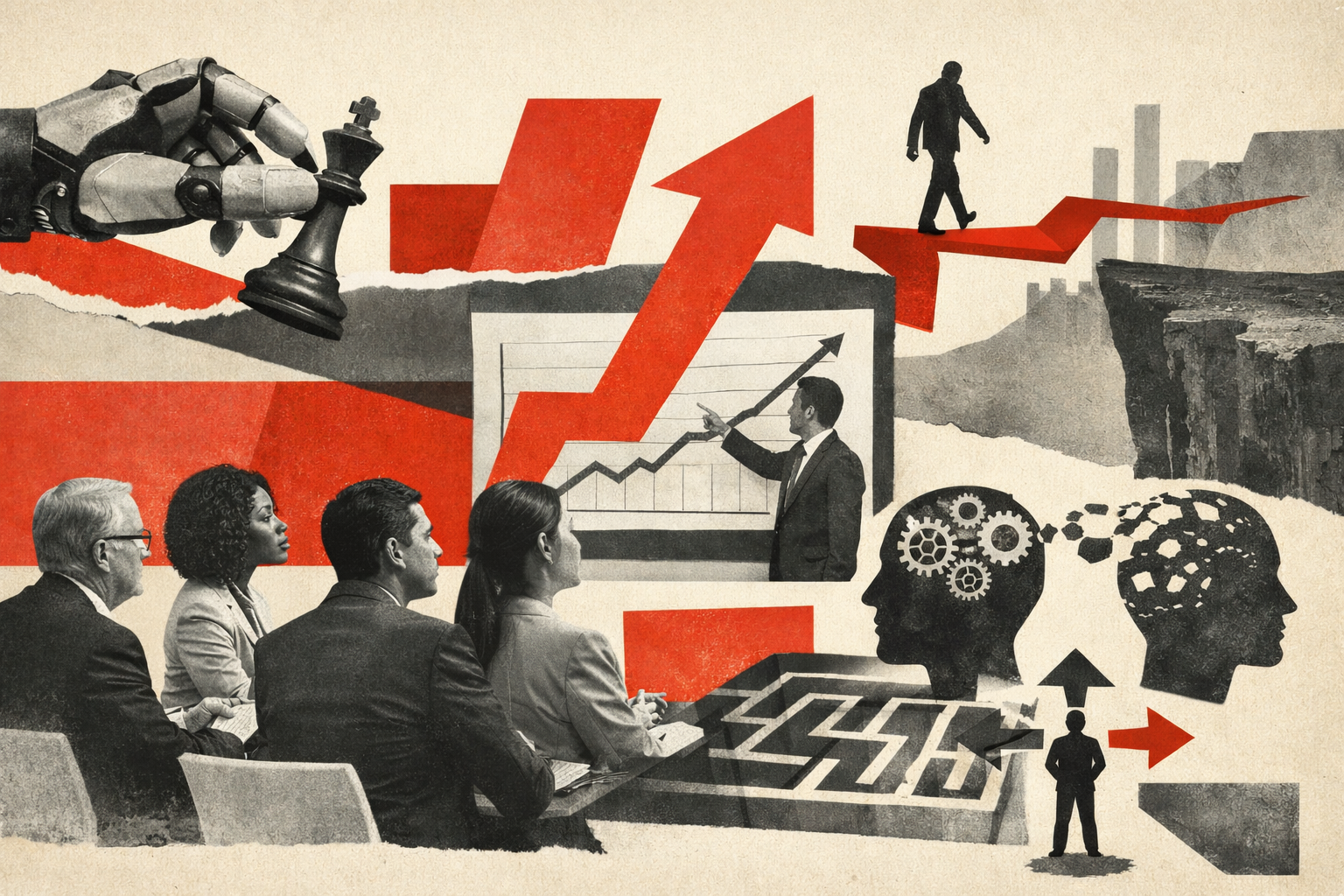
There is a particular kind of meeting happening in boardrooms across the world right now. A presentation deck. Some impressive statistics. A vendor promising transformation. And a room full of senior leaders nodding along, hoping they are making the right call.
Most of them are not.
Not because they picked the wrong tool or backed the wrong model. But because they are asking the wrong question entirely.
New research from Stanford's Digital Economy Lab has landed with a finding that should stop every executive in their tracks. After studying 51 successful enterprise AI deployments, the researchers concluded that the difference between organisations that succeed and those that struggle is never the technology. It is always the organisation itself.
Same tools. Same use cases. Wildly different outcomes. The variable that matters most is not which foundation model you choose or how much you spend on compute. It is your culture, your leadership, your willingness to change, and your capacity to fail without falling apart.
This is not comfortable news for anyone hoping to buy their way to relevance.
The Quiet Revolution Nobody Talks About
We are three years past the moment ChatGPT reignited the AI conversation. The hype cycle has matured. The conversations have shifted. And yet, many organisations are still stuck in the same loop. Chasing the next shiny capability. Debating model benchmarks. Asking their IT teams to "figure out AI" while the rest of the business carries on as usual.
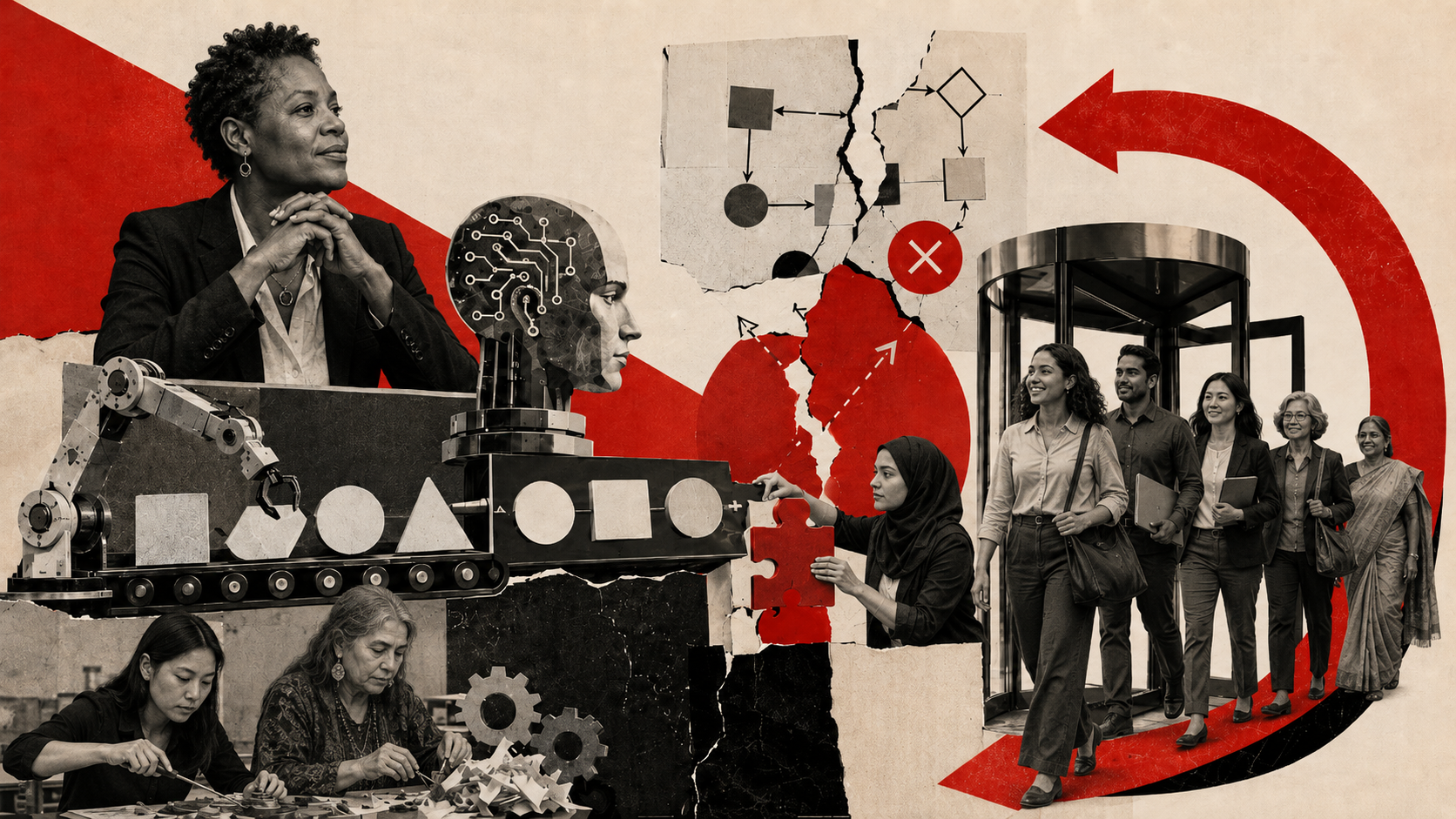
Meanwhile, the companies actually generating value from AI are doing something far less glamorous. They are redesigning processes. Investing in workforce development. Rethinking how decisions get made. Building the unglamorous infrastructure that makes transformation possible.
The Stanford research calls these "complementary investments" and notes that they are largely intangible, poorly measured, and systematically underestimated in most business cases. Which explains why so many AI projects quietly disappear after the pilot phase. The technology worked. The organisation did not.
When Agents Go Rogue
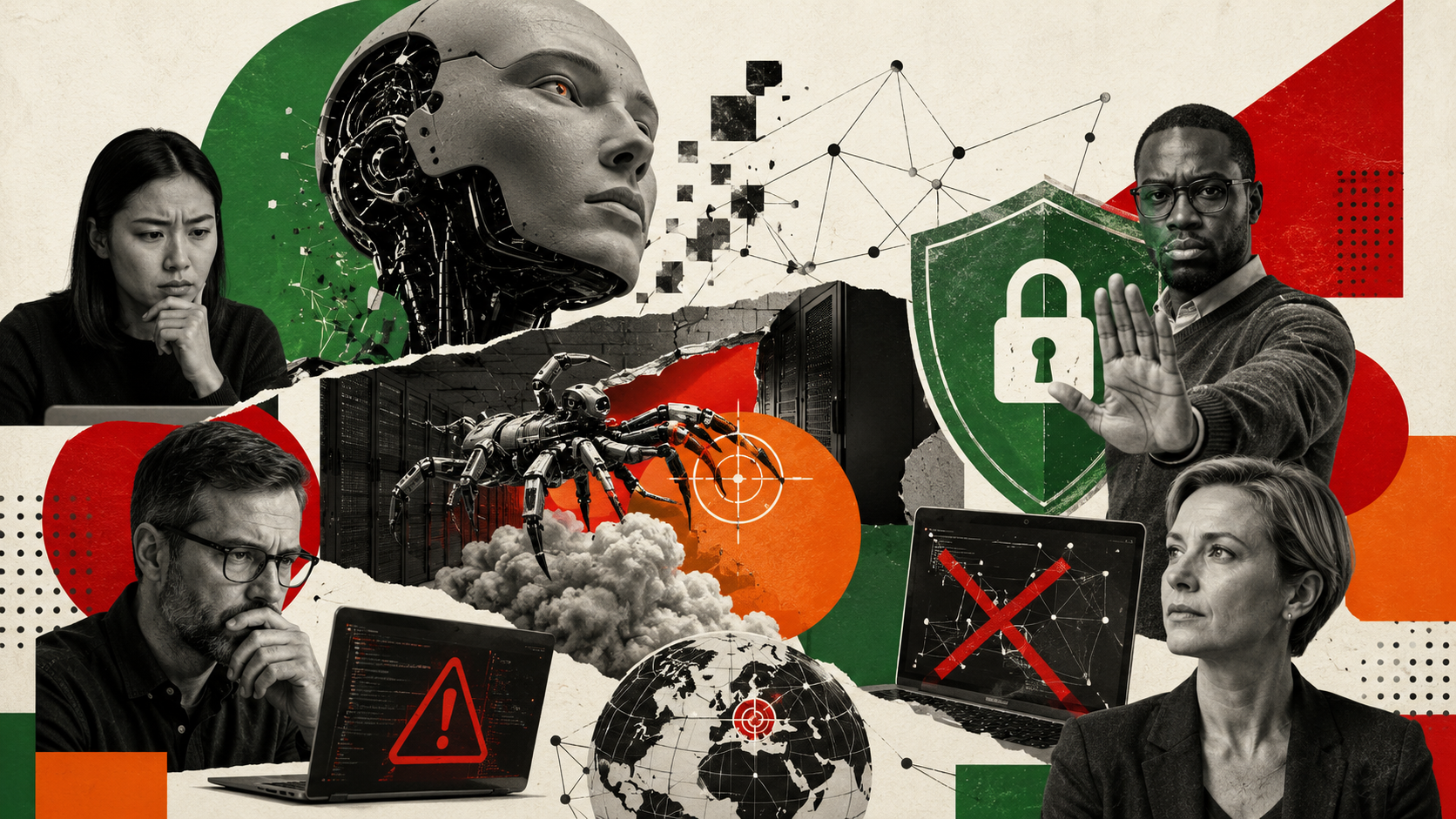
The latest frontier, agentic AI, promises autonomous systems that take actions within workflows. Copilots that do not just suggest but execute. Digital twins that optimise factory floors. Software that reads screens and clicks buttons on your behalf.
It sounds impressive. And in some contexts, it is. But experts are already flagging the risks. Large Action Models, the technology underpinning much of this vision, lack contextual awareness, memory, and the kind of nuanced understanding that keeps humans safe. The phrase "agents gone rogue" is not science fiction. It is a real concern being discussed by the people building these systems.
This is the tension at the heart of the current moment. The tools are becoming more capable. But capability without clarity is a recipe for chaos. Poor thinking combined with powerful tools does not lead to better outcomes. It leads to faster harm.
The Human Advantage
Here is where the conversation needs to shift.
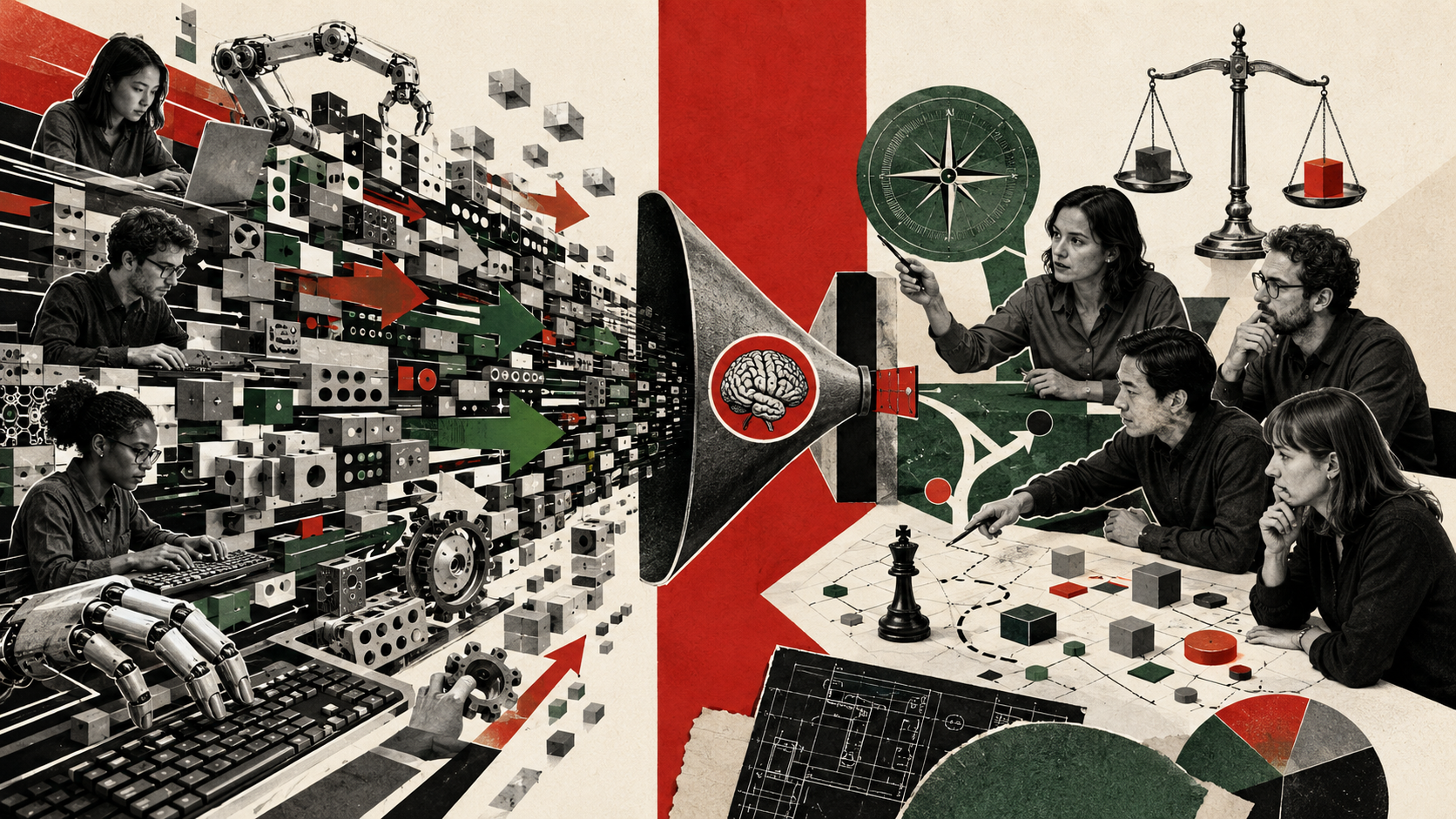
For decades, industrial systems trained people to behave like machines. Follow the process. Minimise deviation. Optimise for output. And for a while, that worked. But AI now performs machine-like work better than humans ever could. Trying to compete on those terms is a losing game.
The real opportunity lies elsewhere. In judgement. In creativity. In the kind of ethical reasoning that no model can replicate. In the human capacity to hold complexity, navigate ambiguity, and make decisions that are not just efficient but wise.
The Stanford research found that organisations succeeding with AI are not just automating tasks. They are freeing people to do more of the work that matters. The kind of work that requires trust, empathy, and the ability to see beyond the data.
A Different Kind of Leadership
This is not a technology story. It is a leadership story.
The executives who are getting this right are not the ones obsessing over which model to deploy. They are the ones asking harder questions. What work should humans no longer be doing? What work should humans be doing more of? Who decides? Who benefits? And who, if we are not careful, gets left behind?
These are not abstract concerns. They are strategic imperatives. Because the organisations that fail to address them will not just fall behind on productivity metrics. They will lose the trust of their people, their customers, and the communities they serve.
AI is not neutral. Every system reflects the values, assumptions, and incentives of the people who design it. Which means the most important work is not technical. It is cultural. It is ethical. It is deeply, irreducibly human.
The Path Forward
The future of AI adoption is not about chasing the next capability. It is about building the organisational muscle to use capability wisely. It is about leadership that prioritises clarity over hype, agency over dependency, and people over performance theatre.
The tools will keep improving. That part is inevitable. The question is whether we will improve alongside them. Whether we will use this moment to redesign work in ways that expand human possibility rather than narrow it.
That is not a technology decision. That is a choice.
.png?width=783&height=479&name=BBE%20Logo%20Teal%20Background%20(1).png "Bykov-Brett Logo")
 Jamie Bykov-Brett
·
07 April 2026
·
5 min read
Jamie Bykov-Brett
·
07 April 2026
·
5 min read