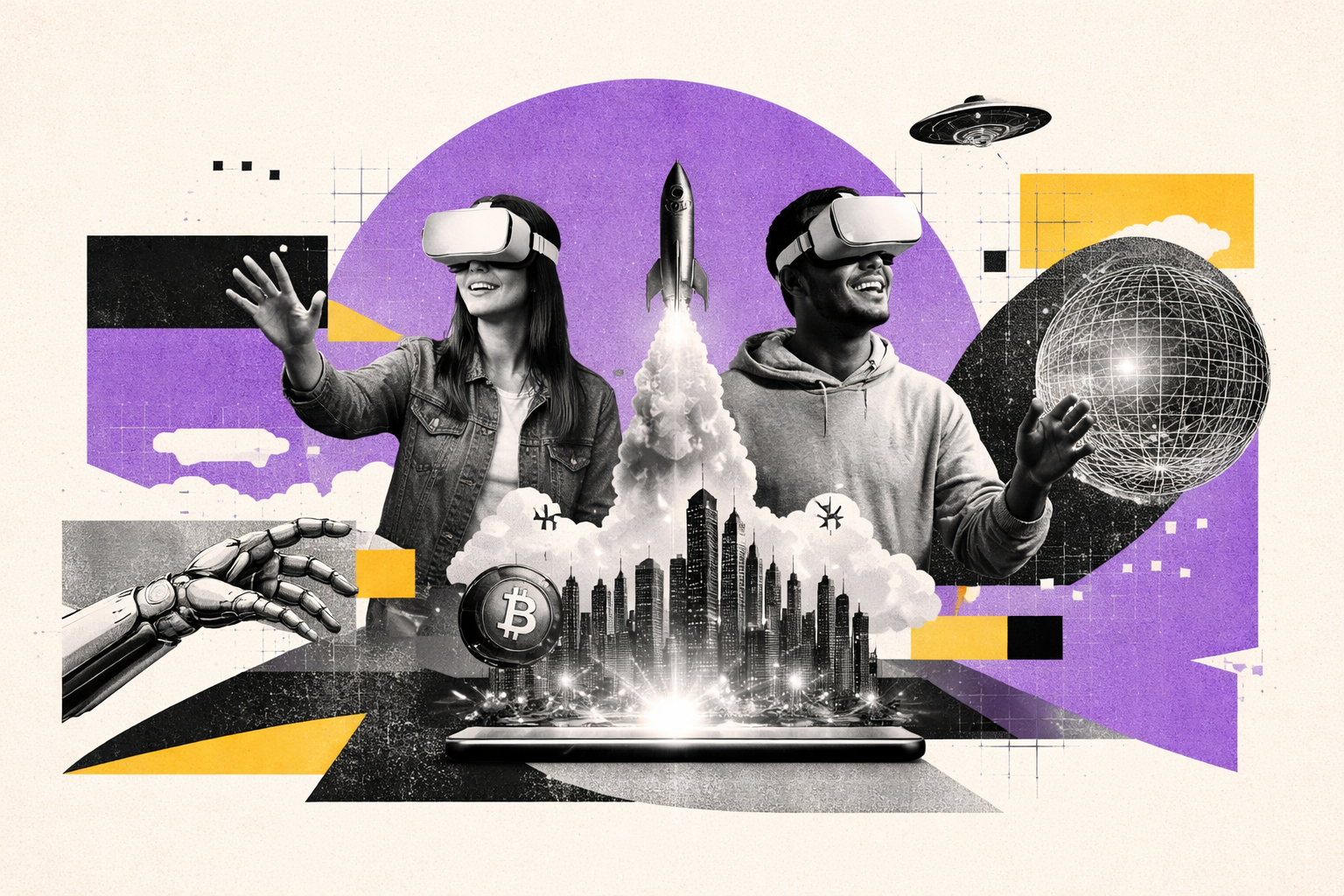
In less than a decade, the metaverse has evolved from a speculative concept into a sprawling digital universe running alongside everyday life. By 2026, an estimated one-quarter of us will spend at least one hour a day in this space, engaging in everything from work to play. The market is forecast to grow from $47.7 billion to $678.8 billion by 2030, signalling the next major shift in how humans interact.
The appeal of the metaverse is clear. It offers boundless creativity, reimagined identities, and new communities built without the constraints of geography or physicality. People are exploring these digital frontiers for entertainment, connection, education, and livelihoods.
The corporate world is already staking its claim. Microsoft's Mesh is redefining remote collaboration, enabling virtual gatherings with a sense of presence that traditional video conferencing cannot match. Hyundai's Mobility Adventure in Roblox shows how virtual experiences and car ownership can converge, reshaping how we think about automotive interaction.
Signature events are already putting the metaverse's potential on display. Historic NASA and SpaceX launches and high-stakes e-sports competitions have transformed global audiences from spectators into active participants in the moment.
This is not an overnight phenomenon. The metaverse traces its roots back to 1992, when graphical virtual worlds first emerged online. The release of the Oculus in 2012 ignited the VR revolution, and in 2024 Apple entered the spatial computing space with the Vision Headset, a move set to push the metaverse further into the mainstream.
What we're witnessing isn't merely technological growth, it's an expansion of human experience. The metaverse is a canvas where innovation shapes what comes next, with each new development redefining what's possible.
This is not a fleeting trend, it's the next chapter in humanity's pursuit of progress. The metaverse challenges us to reconsider where existence and technology meet, blurring the line between the real and the virtual.
With that opportunity comes responsibility. How do we ensure the metaverse elevates everyone rather than deepening existing divides? The potential is significant, education without borders, workplaces free from physical constraints, social interactions that flourish beyond geography. But we must be clear-eyed: the metaverse should enhance reality, not replace it, and must be built with inclusivity and ethical governance in mind.
We stand at the threshold of this virtual frontier, and the choices made now will shape what the metaverse becomes. The possibilities are limited only by our collective imagination.
What will your first day in the metaverse look like? What experiences will you seek, and how will you contribute to the collective story of this digital universe?
How do you see the metaverse enhancing your daily life, and what steps can we take to ensure it's a force for good?
The metaverse awaits, let's shape it together.
If you enjoyed this exploration of the metaverse, join the conversation below. Your insights and opinions will help define the path we chart in this new digital era.
Scottish Mortgage: Investment Trust, Pioneers of Progress Part 3 statistics
- By 2026, a quarter of the world will spend at least 1 hour in the metaverse daily.
Metaverse market size prediction
- 2020: $47.2B
- 2024: $87.9B
- 2026: $206.5B
- 2029: $415.3B
- 2030: $678.8B
Why do people want to explore the metaverse?
- Jobs: 22%
- Entertainment: 40%
- Investments: 48%
- Education: 40%
- Socialising: 32%
- Gaming: 29%
How are brands leveraging the metaverse?
- Microsoft: Mesh for Teams
- Coca-Cola: Launched its first NFTs for International Friendship Day
- Hyundai: Launched Mobility Adventure in Roblox
Top 5 global digital events
- NASA and SpaceX Launch Astronauts into Space, 2020: 10.3M views
- #PS5 The Future of Gaming Show, 2020: 7.3M views
- League of Legends World Championship, 2021: 4.0M views
- FREE Fire World Series Singapore, 2021: 5.4M views
- League of Legends World Championship, 2022: 4.0M views
Evolution of the metaverse
- 1992: First use of the term "metaverse" in Neal Stephenson's "Snow Crash"
- 2003: Linden Lab unveils the first 3D virtual world, "Second Life"
- 2006: ROBLOX was released
- 2012: The Oculus Rift ushers in a new age of VR
- 2015: Decentraland, the first virtual world owned by its users, was created
- 2019: First concert in the metaverse hosted by DJ Marshmello in Fortnite
- 2020: SONY acquires KIRBI, to invest more heavily in the metaverse, up to $1.9B investment
- 2021: Meta (formerly Facebook) launches Metaverse Project
- 2024: Apple launched the iPhone with apps related to the metaverse
"The metaverse is growing every year, both in its size and the scope of what this new digital realm offers."
.png?width=783&height=479&name=BBE%20Logo%20Teal%20Background%20(1).png "Bykov-Brett Logo")
 Jamie Bykov-Brett
·
26 March 2024
·
5 min read
Jamie Bykov-Brett
·
26 March 2024
·
5 min read